Dear Brother Archons and Friends of the Archons of the Ecumenical Patriarchate,
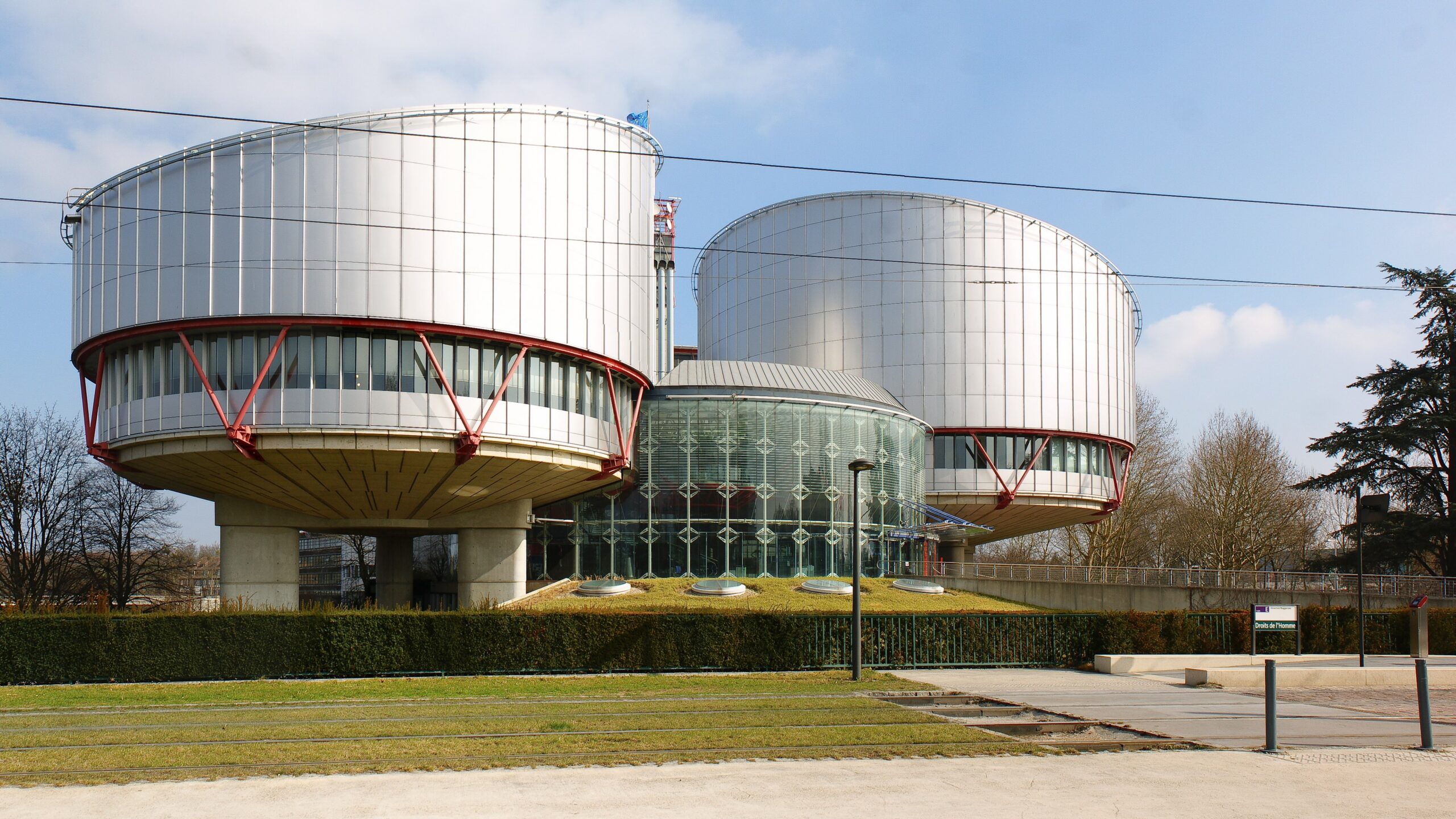
In a major development for the rights of Christians in Turkey, the European Court of Human Rights (ECtHR) has announced that it will take the cases of twenty Christians who have been barred from re-entering Turkey solely because of their Christian Faith.
These cases involve twenty Christians are all citizens of foreign countries who have been living lawfully in Turkey, some for many years. Out of hostility to Christianity, the Turkish government has been labeling these peaceful people as threats to national security; this allows Turkish authorities to block them from returning to the country after they left for a brief period, or even to expel them from Turkey despite having resided there legally and peacefully for a considerable period.
The twenty Christians whose cases will be heard at the European Court of Human Rights are just a small segment of a much larger group. Hundreds of Christians who are not Turkish citizens but have been residing legally in Turkey could be subject to expulsion or be barred from returning if they travel outside the country. Since 2019, the Turkish government has classified hundreds of foreign Christians as security risks, which enables it to ban them from the country. Yet the basis for this classification is wholly and solely that these people are Christians.
This practice of the Turkish government could have far-reaching implications for the Ecumenical Patriarchate, particularly as the Theological School of Halki has remained closed for the last 55 years. Foreign Hierarchs and clergy who serve in the Ecumenical Patriarchate could be classified as security risks and forced to leave Turkey, thereby hampering our Holy Mother Church’s ability to carry out its global sacred mission.
It is unfortunate but not surprising that the Turkish government would treat Christians in this manner. In its 2025 Annual Report, the United States Commission on International Religious Freedom once again placed Turkey on the “Special Watch List for engaging in or tolerating severe violations of religious freedom pursuant to the International Religious Freedom Act (IRFA).” The report noted that in Turkey, “some foreign national clergy experienced delays or obstructions in renewing their residency permits. This further constrained the Eastern Orthodox Church, which has been unable to domestically train clergy since 1971, when a constitutional court ruling in effect pressured some private religious colleges to close—including the Halki Theological School.”
Thus the European Court of Human Rights’ decision to hear the cases of these Christians is most welcome. The Archons of the Ecumenical Patriarchate are grateful to the ECtHR for its consistent and ongoing concern for the religious freedom of the embattled Christian minority in Turkey.
Let us pray earnestly that the ECtHR ruling in these cases will lead to real and positive change in Turkey, enabling Christians and all religious minorities to practice their faith without hindrance, harassment, or hatred. May this ruling lead also to a new flowering of religious freedom for our beloved Ecumenical Patriarchate.
Yours in the service of our Holy Mother Church,
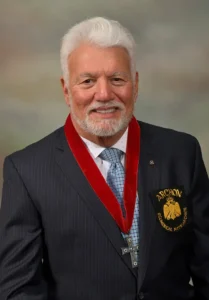
Anthony J. Limberakis, MD
Archon Grand Aktouarios
National Commander